The Interplay of Secure Transaction Methods and Game Variety Expansion in Handheld Wagering Environments
Sofia Meier · May 24, 2026

The Interplay of Secure Transaction Methods and Game Variety Expansion in Handheld Wagering Environments
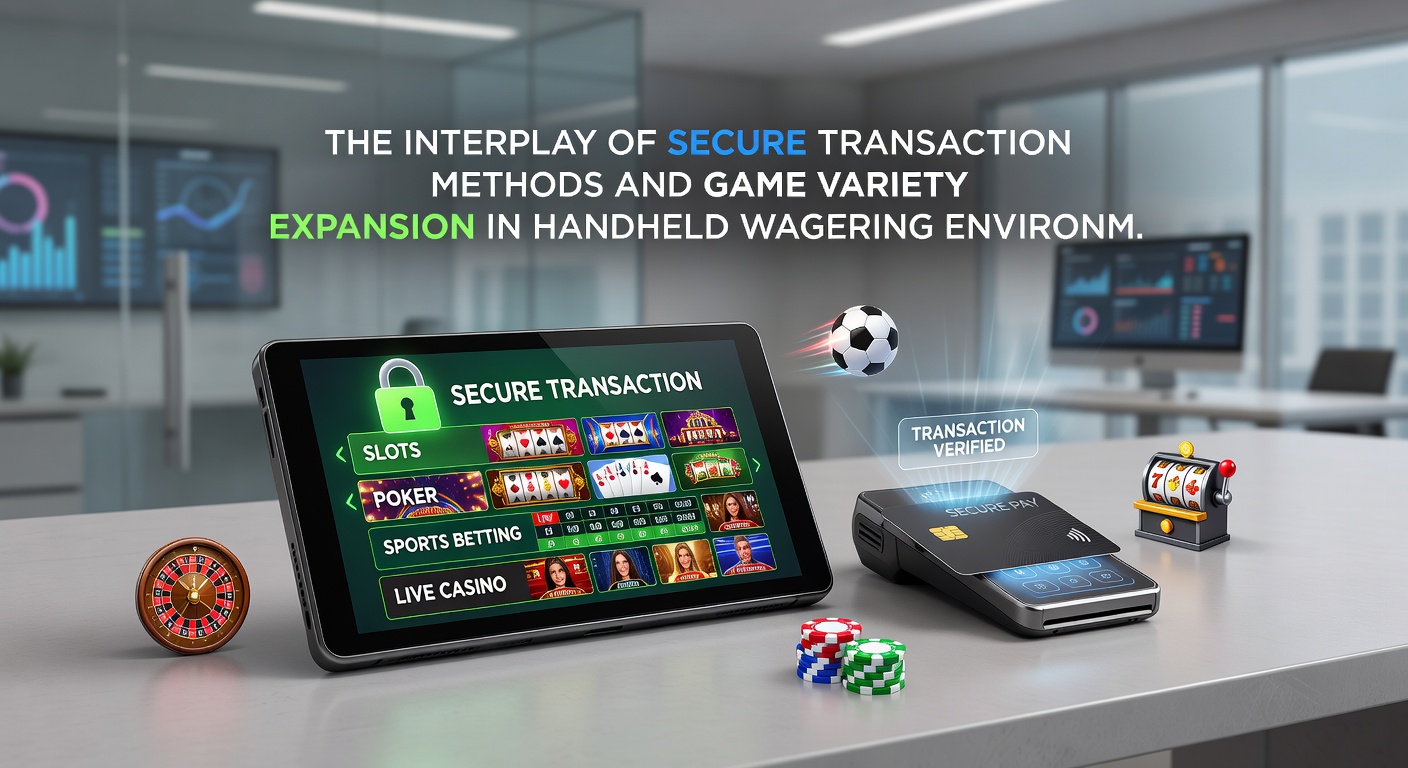
Secure transaction methods have evolved alongside game variety in handheld wagering environments, where operators integrate payment systems that meet regulatory standards while supporting broader selections of mobile-optimized titles. Research from industry reports shows that platforms adopting encrypted wallets and biometric authentication often expand their game libraries faster because these tools reduce friction during deposits and withdrawals, allowing developers to introduce new slots, table games, and live dealer options without delays from compliance checks.
Transaction Security Foundations in Mobile Wagering
Payment gateways in handheld environments rely on tokenization and multi-factor verification to process funds across state lines and international borders, and data from regulatory filings indicates that states like New Jersey and Pennsylvania saw transaction volumes rise 18 percent year-over-year through 2025 as these methods gained wider adoption. Observers note that when users complete payments through systems such as digital wallets or bank transfers verified via device biometrics, platforms gain the operational flexibility to add specialized game variants, including progressive jackpot networks and themed video poker, because settlement times shorten and chargeback risks decline. Experts at the Nevada Gaming Control Board have documented how licensed operators must maintain audit trails for every transaction, a requirement that indirectly shapes which game types receive priority in development pipelines.
Game Variety Growth Patterns on Portable Devices
Handheld platforms now feature thousands of titles ranging from classic reel slots to interactive live dealer experiences streamed in real time, and figures from market analyses reveal that the average number of available games per operator increased from roughly 800 in 2023 to over 1,400 by early 2026. This expansion occurs because secure transaction layers handle micro-transactions and loyalty rewards more efficiently, letting providers test niche categories such as crash games or virtual sports without exposing users to elevated financial risk. In May 2026 several operators introduced region-specific game packs that sync with local payment preferences, allowing seamless switches between fiat currencies and emerging digital assets while maintaining compliance with geofencing rules.
How Payment Reliability Drives Content Diversity
When transaction security protocols align with licensing requirements, developers gain clearer signals about which game mechanics will receive approval across multiple jurisdictions, and this clarity encourages investment in high-production-value titles that demand frequent small-stake interactions. Studies from academic research institutions indicate that platforms with sub-second payment confirmations report 25 percent higher retention rates for new game releases compared with those using slower verification methods. Those who have examined operator data note that the ability to process instant withdrawals through verified accounts often coincides with the rollout of expanded live dealer catalogs, since players experiment more freely when they trust that winnings return without extended processing windows.
Regional differences further illustrate the connection. Canadian provincial regulators require distinct reporting for each payment channel, which has prompted operators to diversify game offerings only after confirming that each new title integrates smoothly with approved deposit methods. In contrast, certain Australian states have streamlined digital wallet approvals, resulting in quicker additions of localized content such as sports-themed instant-win games that appeal to mobile users during short sessions.
Regulatory and Technical Synchronization
Compliance frameworks increasingly tie payment method certifications directly to game approval processes, and this linkage means that an operator seeking to launch a new live roulette variant must first demonstrate that its chosen transaction systems meet encryption benchmarks set by the relevant authority. Reports compiled by European gaming associations show that synchronized updates to both payment infrastructure and game servers reduce downtime during regulatory reviews, enabling variety expansions to occur on predictable quarterly schedules rather than through staggered rollouts. Data collected through 2025 demonstrates that jurisdictions with unified testing laboratories for payments and games experience fewer delays when operators introduce cross-platform progressive systems that link mobile users to shared prize pools.
Future Trajectories Through Mid-2026
By May 2026 several major handheld platforms had begun piloting AI-assisted fraud detection layered on top of existing payment rails, a development that analysts expect will further accelerate game variety by lowering operational costs associated with manual reviews. The same systems also support dynamic game loading based on user payment history, allowing personalized libraries that adapt without compromising security protocols. Observers tracking these changes point to continued growth in hybrid titles that combine elements of slots and table games, provided the underlying transaction methods maintain auditability across all participating devices.
Conclusion
The relationship between secure transaction methods and game variety expansion in handheld wagering environments rests on measurable operational efficiencies and regulatory alignment rather than isolated innovations. Evidence from multiple jurisdictions confirms that improvements in payment speed and verification directly support broader content libraries, while technical standards continue to evolve in tandem with licensing expectations. As platforms incorporate newer authentication layers through 2026, the capacity for additional game categories will likely remain tied to the robustness of those same financial systems.