State Regulations Reshape Sweepstakes Casino Operations Across the U.S. in 2026
Avery Butler · May 31, 2026

State Regulations Reshape Sweepstakes Casino Operations Across the U.S. in 2026
The U.S. sweepstakes casino sector entered 2026 amid mounting state-level restrictions that followed years of expansion outside conventional iGaming rules, and these changes prompted operators to reassess their approaches in multiple jurisdictions. California's Assembly Bill 831 took effect on January 1, 2026, and it eliminated an estimated 20 percent of national revenue according to trade reports while similar measures gained traction elsewhere. Indiana's House Bill 1052 received approval in March 2026 with an effective date of July 1, 2026, which added further pressure on companies already navigating a fragmented regulatory environment. Earlier actions in states such as Maine, New York, Connecticut, Mississippi, Louisiana, Montana, and Nevada during 2025 had already reduced available markets, and observers noted that these cumulative shifts created a more constrained landscape for sweepstakes-based platforms.
Key Legislative Developments in California and Indiana
California's Assembly Bill 831 introduced stricter oversight on sweepstakes casino models that rely on free-to-play mechanics combined with purchase options, and the legislation aligned these activities more closely with traditional gaming regulations in the state. The measure's implementation coincided with broader efforts to standardize consumer protections across digital entertainment offerings, and data from legislative tracking sources showed that operators faced immediate requirements to modify prize structures and promotional methods. Indiana followed with House Bill 1052, which addressed similar concerns by establishing clearer boundaries for sweepstakes operations, and the bill's July 2026 start date gave companies several months to prepare compliance frameworks. According to California legislative records, the combined impact of these policies accelerated a trend toward market exits in affected regions while encouraging diversification into alternative formats.
Earlier closures in 2025 had already signaled shifting priorities at the state level, and states including Maine along with New York, Connecticut, Mississippi, Louisiana, Montana, and Nevada implemented measures that limited or ended sweepstakes casino availability. These actions reflected ongoing reviews of how sweepstakes models intersect with existing gambling statutes, and industry analyses indicated that the pattern continued into 2026 as additional jurisdictions evaluated comparable legislation. The result was a noticeable contraction in the national footprint for certain operators, although some companies adapted by launching new brands or adjusting existing portfolios to maintain user engagement in permitted areas.
Operator Responses and Strategic Adjustments
Virtual Gaming Worlds, the parent company behind platforms such as Chumba Casino, responded to these developments through a series of targeted changes that included exiting restricted states and introducing new offerings like LuckyLand Casino along with Just Slots. teh company also moved away from dual-coin mechanics in several markets, and it strengthened responsible-play messaging across its sites to align with emerging compliance expectations. Portfolio adjustments allowed operators to focus resources on regions where operations remained viable, and similar strategies appeared among other firms facing the same regulatory pressures. These shifts occurred while companies monitored additional state proposals that could further influence the sector's trajectory throughout the year.
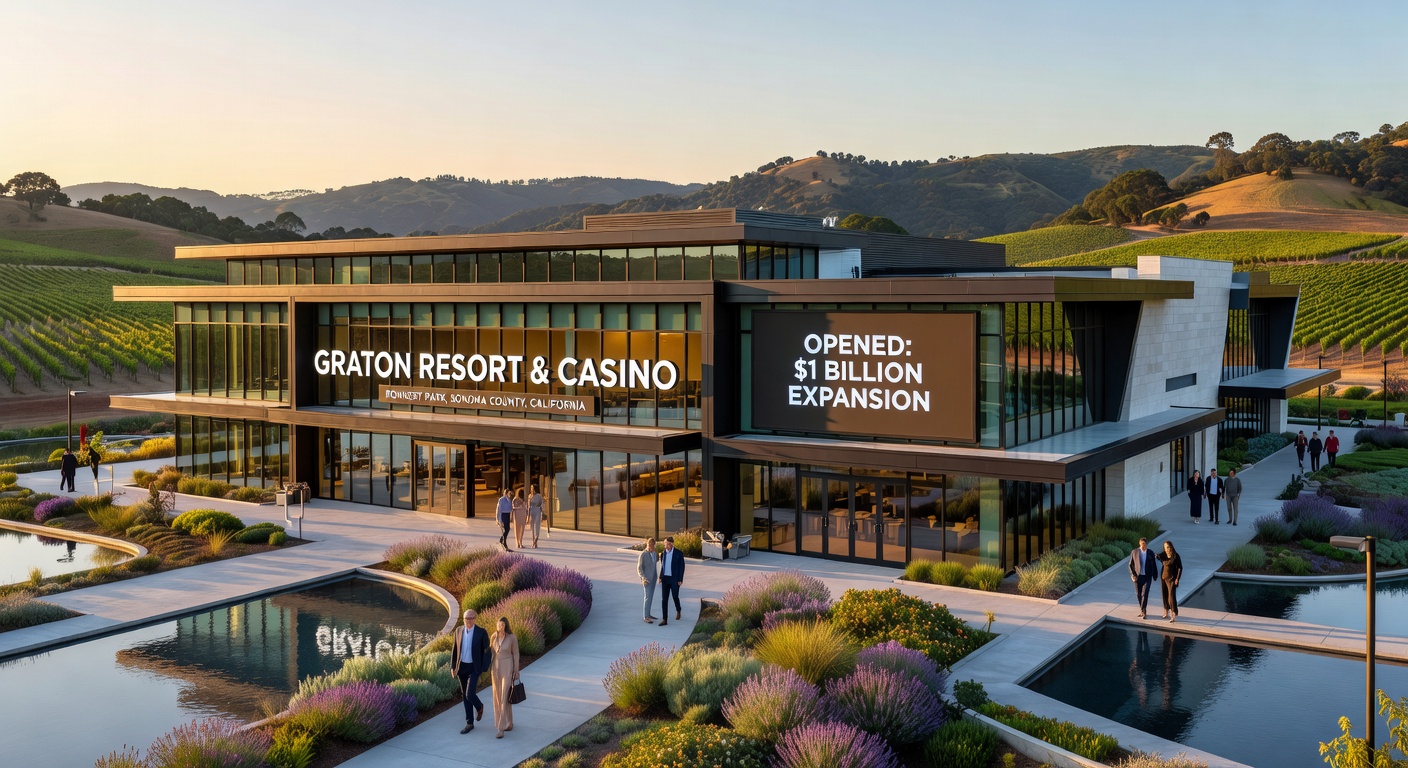
Trade publications documented how these adaptations helped some operators sustain revenue streams despite the loss of access in high-impact states like California, and the introduction of fresh brands provided pathways to retain user bases in less restricted territories. Enhanced responsible-play features addressed concerns raised during legislative debates, and the emphasis on single-coin systems in certain jurisdictions simplified compliance processes. Observers noted that such modifications reflected a broader industry pattern of responding to state-specific rules rather than pursuing uniform national strategies, and this approach allowed companies to navigate the patchwork of regulations more effectively as 2026 progressed.
Market Impacts and Ongoing Developments
The cumulative effect of these restrictions reduced the overall addressable market for sweepstakes casinos, and estimates placed the revenue loss from California alone at roughly one-fifth of prior national totals. Operators continued to evaluate opportunities in remaining states while preparing for potential additional rules that could take effect later in 2026, and some firms explored partnerships or technology upgrades to support compliance in permitted locations. Data from industry monitoring groups showed increased activity around brand diversification and messaging refinements, which helped maintain engagement levels amid the transitions. The situation remained fluid as state legislatures considered further proposals, and companies tracked these developments to inform future operational decisions.
Conclusion
By mid-2026 the sweepstakes casino sector had undergone significant restructuring driven by state-level actions in California, Indiana, and earlier closures across multiple jurisdictions, and operators like Virtual Gaming Worlds implemented exits, new brand launches, and mechanical adjustments to adapt. These changes highlighted the influence of localized regulations on business models that previously operated outside traditional frameworks, and they prompted ongoing refinements in responsible-play practices along with portfolio management. The developments underscored how legislative timelines, including the January 2026 effective date for Assembly Bill 831 and the July 2026 start for House Bill 1052, shaped the sector's immediate outlook while companies positioned themselves for continued evolution in a more regulated environment.