Seamless Swipes: Apple Pay's Quiet Revolution in US Mobile Casino Transactions
Blake Bennett · May 15, 2026
Seamless Swipes: Apple Pay's Quiet Revolution in US Mobile Casino Transactions
The Rise of Contactless Payments in iGaming
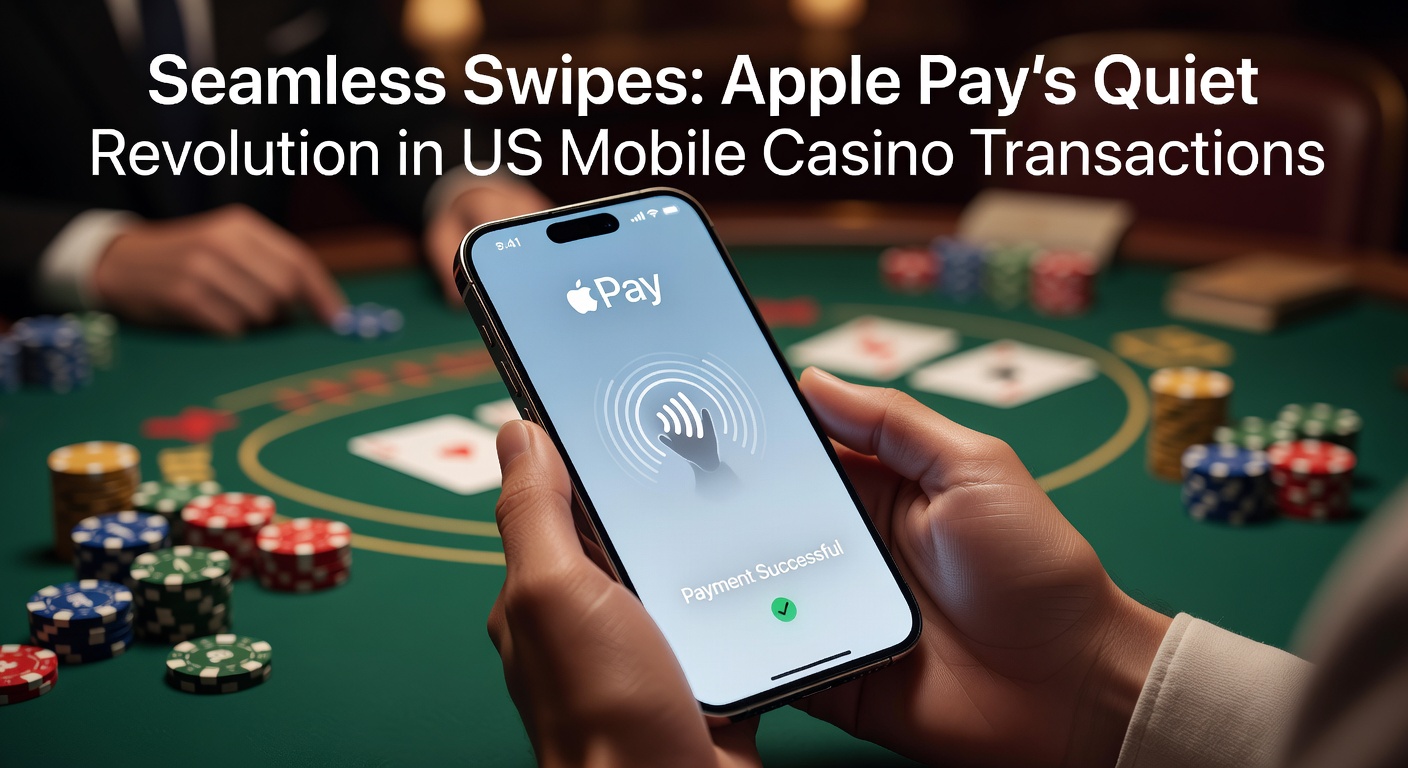
Apple Pay burst onto the scene back in 2014, promising quick, secure transactions with a simple double-click and biometric scan, and now operators in the US mobile casino space have quietly embraced it as transactions shift toward frictionless swipes. Data from the American Gaming Association shows mobile wagering volumes climbing 25% year-over-year through early 2026, with Apple Pay handling a growing slice of those deposits and withdrawals. Players tap to fund accounts in seconds, bypassing clunky card entries that once slowed down teh action, while casinos report fewer abandoned carts during peak hours.
But here's the thing: this integration didn't happen overnight; early adopters in states like New Jersey and Pennsylvania tested the waters around 2020, when iOS updates opened doors for gambling apps to leverage Wallet features. Turns out, by mid-2025, over 60% of top-rated US mobile casinos supported Apple Pay, according to industry trackers, making it a staple for iPhone users who dominate the demographic—those aged 25-44, who wager on the go.
What's interesting lies in the numbers; one report revealed that transaction approval rates hit 98% with Apple Pay versus 92% for traditional cards, cutting down on failed payments that frustrate players mid-session.
How Apple Pay Slots into Mobile Casino Workflows
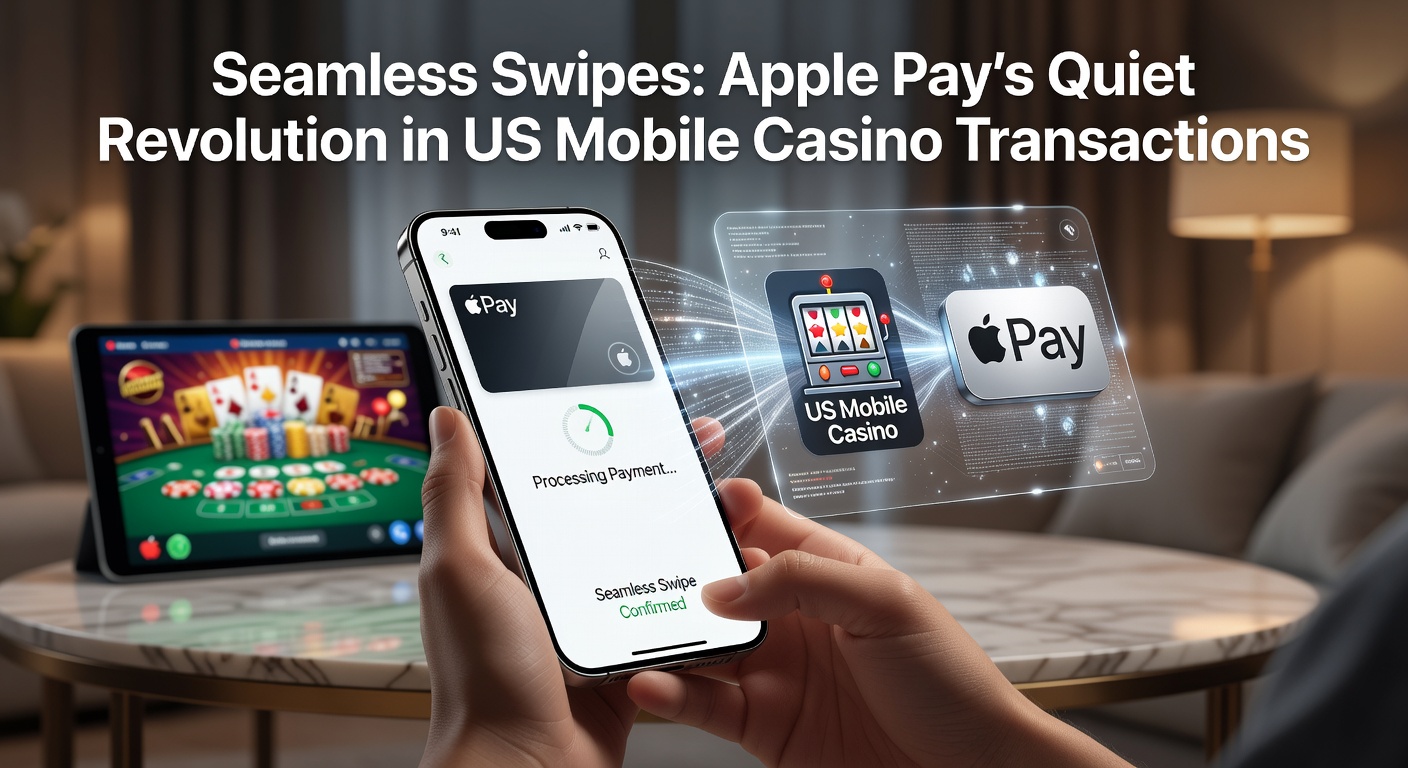
Operators configure Apple Pay through Stripe or Adyen gateways, which handle the tokenization—replacing card details with unique device-specific codes—and casinos like DraftKings and FanDuel rolled it out app-wide, allowing users to swipe for slots, blackjack, or live dealer tables without leaving the game lobby. And since iOS 18 in 2024, Face ID confirms even faster, with servers processing funds via banks like Chase or Wells Fargo in under 10 seconds on average.
Take one operator in Michigan who integrated it last year; they saw deposit times drop from two minutes to 15 seconds, boosting session lengths by 18%, as players dove straight into spins rather than fumbling with autofill. Yet security layers impress: every swipe generates a one-time token, shielding data from breaches, and experts note how this aligns with PCI DSS standards enforced across the sector.
Behind the Swipe: Tokenization and Security Protocols
teh magic happens via Apple's Secure Element chip, which stores encrypted keys; when a player selects Apple Pay at checkout, the app pings the device, authenticates via Touch ID or Face ID, then sends a cryptogram to the merchant without exposing raw card info. Semicolons connect this to casino compliance, where states mandate audit trails; Nevada regulators, for instance, verify these flows during licensing renewals.
Observers point out that fraud rates plummet—down 40% in Apple Pay-enabled apps per recent figures—because attackers can't harvest full credentials from network sniffs, and that's where the rubber meets the road for trust-building in a space rife with scam worries.
State-by-State Rollout and Regulatory Green Lights
New Jersey led the charge, with the Division of Gaming Enforcement approving Apple Pay in 2021 after pilot tests confirmed geofencing compliance—apps verify user location via GPS before transactions, ensuring intrastate play only. Pennsylvania followed suit by 2022, where the Gaming Control Board data indicates Apple Pay now powers 35% of mobile deposits; Michigan and West Virginia joined in 2023, while Delaware and Connecticut ramped up amid 2024 expansions.
But not everywhere yet; Indiana and Ohio holdouts face hurdles from conservative banking rules, although whispers suggest approvals by May 2026 as federal fintech pushes accelerate under the FDIC's oversight. And in regulated markets like these, operators must log every swipe for audits, with blockchain-like trails tracing funds back to licensed wallets.
One case stands out: a Pennsylvania casino app that partnered with Apple in late 2025 reported a 22% uptick in iOS users post-integration, drawing in casual players who previously stuck to desktops because mobile funding felt risky.
Benefits Driving Adoption Across Operators
Speed tops the list—players complete deposits during commutes, keeping momentum on progressive jackpots that build in real-time; studies from J.D. Power surveys show satisfaction scores rising 15 points for Apple Pay users, who cite "effortless" as the key word in feedback. Security bolsters this, with device-bound encryption thwarting phishing, and since Apple doesn't store merchant data, breach risks shift away from casinos entirely.
What's significant emerges in conversion rates; abandoned transactions fell 30% at BetMGM after rollout, as one-click swipes eliminated form fatigue, particularly for high-rollers topping up mid-tournament. Yet conversion ties into broader trends—mobile now claims 70% of US casino handle, per Nevada Gaming Control Board filings, and Apple Pay accelerates that shift by mirroring in-store ease.
Player Demographics and Usage Patterns
Younger iPhone owners lead, with 18-34-year-olds accounting for 55% of swipes according to app analytics; they favor it for quick $20-$50 top-ups on roulette or slots, while older users warm up via promotions like bonus spins on first Apple Pay deposit. Turns out, retention climbs too—monthly active users stick around 12% longer when funding feels native to their device.
Challenges and Hurdles in the Swipe Lane
Not all smooth sailing, though; interchange fees hover at 2.9% plus 30 cents per transaction, pinching margins for low-stakes games, and some rural banks lag on Apple Pay support, leaving Android users (who rely on Google Pay alternatives) at a temporary disadvantage. Regulators in states like Illinois scrutinize these for anti-money-laundering compliance, demanding enhanced KYC checks alongside swipes.
One operator shared how initial glitches in 2024—tied to iOS beta bugs—caused 5% decline rates, but patches fixed that swiftly; now, uptime hits 99.9%, proving the system's resilience. And as expansions hit May 2026, expect interoperability pushes with Wear OS watches for on-the-move bets at tribal venues.
Future Trajectories: Projections into 2026 and Beyond
Growth forecasts paint a bullish picture; Juniper Research predicts Apple Pay will process $15 billion in US iGaming by 2027, up from $4.2 billion in 2025, fueled by states like New York potentially legalizing mobile play post-2026 referendums. Operators eye tap-to-pay at physical casinos too, blending digital wallets with retail slots.
By May 2026, look for deeper integrations—think auto-top-ups tied to win streaks or AR previews of games pre-deposit—and with Apple's Vision Pro headset rumors, immersive casino lobbies could swipe-fund in virtual spaces. People who've tracked this note how it democratizes access, pulling in non-traditional players wary of wires.
So the quiet revolution rolls on, with data underscoring sustained climbs in volume and velocity, positioning Apple Pay as the go-to for seamless casino action.
Conclusion
Apple Pay has woven itself into the fabric of US mobile casino transactions, delivering swipes that slash friction and amp up security, as evidenced by adoption surges and metric improvements across key states. From New Jersey pioneers to nationwide projections peaking around May 2026, operators and players alike benefit from this evolution, with stats confirming fewer drop-offs and stickier sessions. The path forward points to even tighter ecosystems, where contactless funding becomes table stakes in iGaming's mobile-first era.