Mapping Regulatory Nuances for Digital Table Experiences and How They Influence Reward Systems in Various Locations
Sofia Meier · May 19, 2026
Mapping Regulatory Nuances for Digital Table Experiences and How They Influence Reward Systems in Various Locations
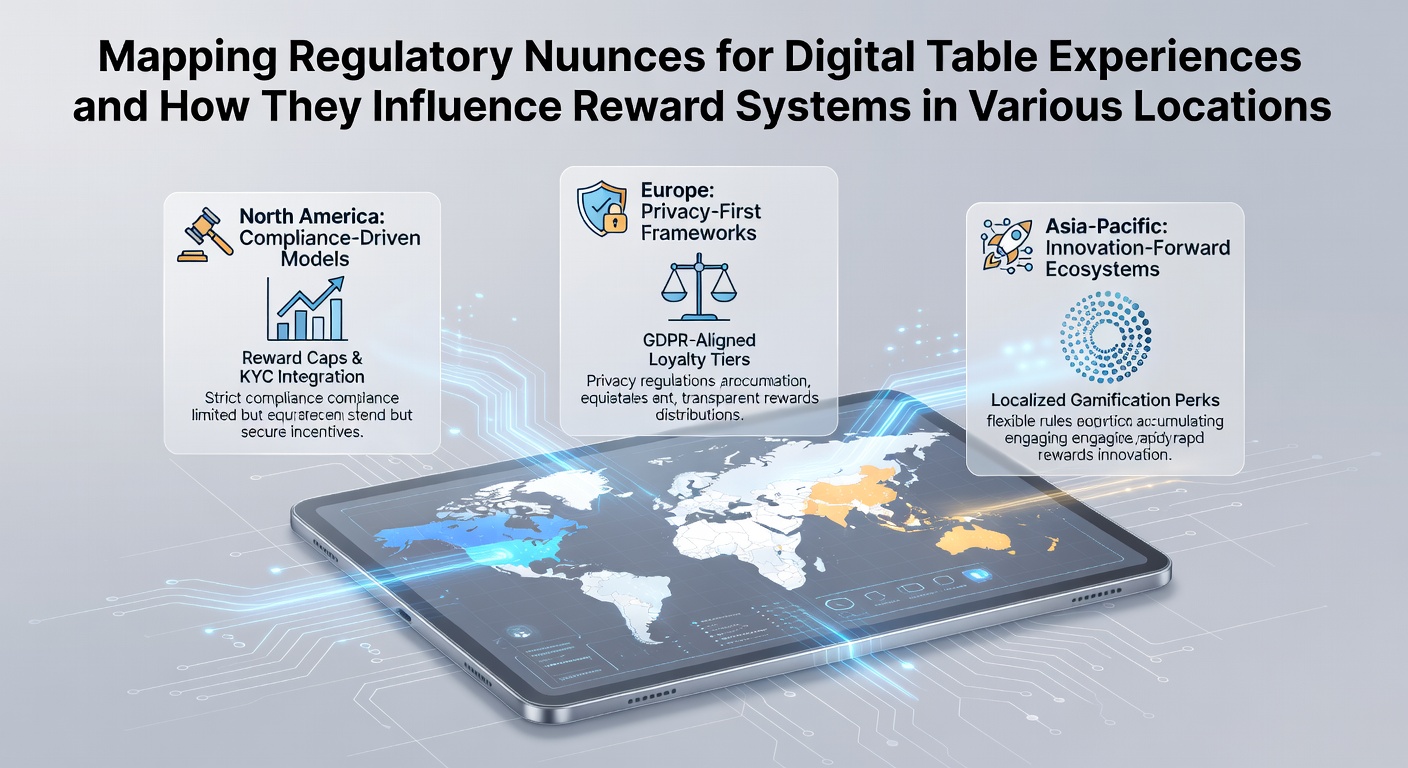
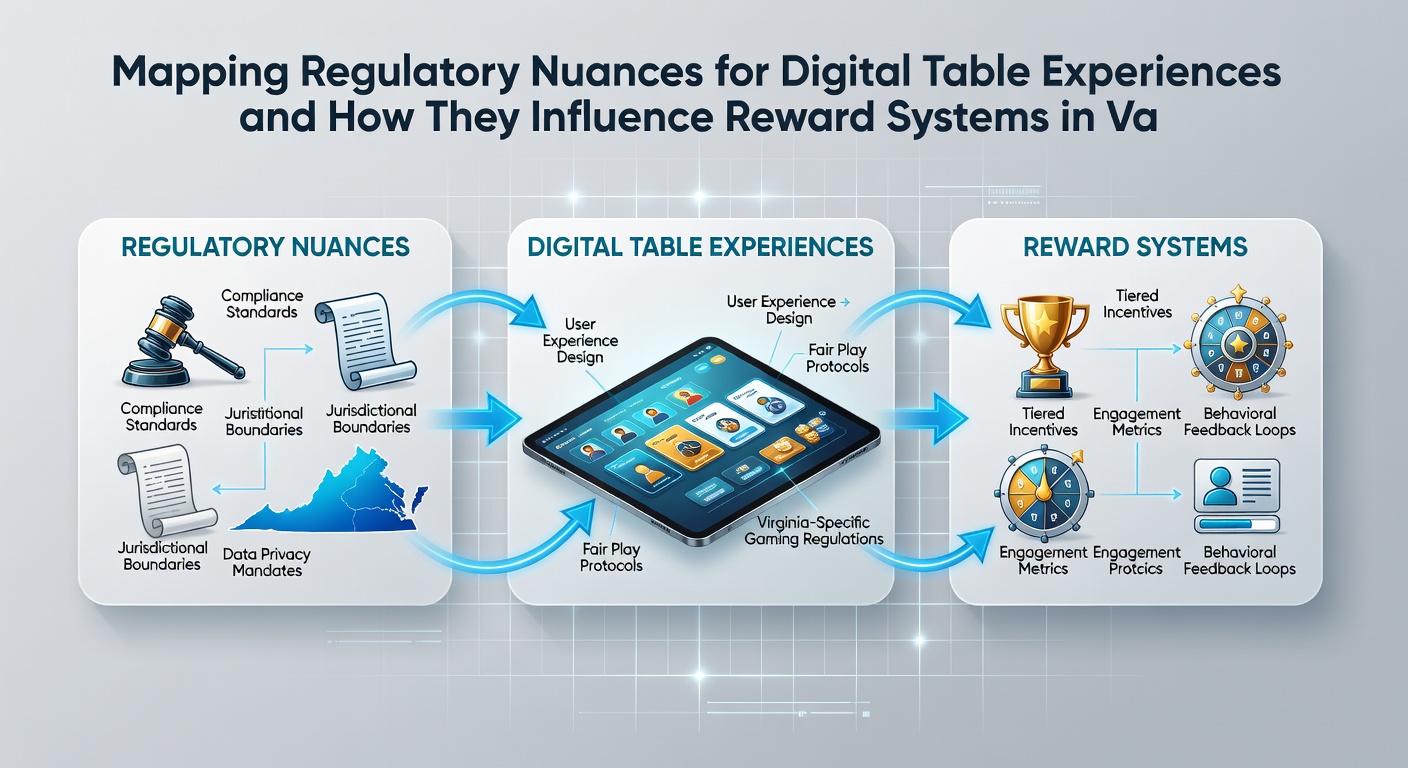
Regulatory frameworks for digital table experiences continue to evolve across jurisdictions, creating distinct patterns that directly shape how operators structure player rewards. These rules cover everything from bonus eligibility on blackjack and roulette variants to the accrual rates for loyalty points earned during live dealer sessions. Observers note that the differences often stem from local priorities around consumer protection and market competition. In several American states with established online gaming markets, requirements for reward promotions tie closely to licensing conditions. Pennsylvania gaming authorities, for instance, mandate that any deposit bonuses applied to table games must meet specific wagering thresholds before players can access winnings. Data released through state oversight channels shows these thresholds typically range higher for table products than for slots, which influences how operators allocate promotional budgets across game categories. Operators respond by designing tiered loyalty programs that adjust point multipliers based on regulatory caps. Research from industry reports indicates that platforms operating in multiple states often maintain separate reward ledgers to comply with each jurisdiction's distinct rules on cashback percentages and free-play credits. This segmentation allows seamless player movement between markets while keeping reward redemptions aligned with local statutes.European Market Variations and Reward Eligibility
European regulators take a different approach that emphasizes transparency in how rewards attach to digital table play. Malta's gaming authority publishes guidelines requiring clear disclosure of any restrictions on bonus usage for games like baccarat or poker tables. These rules affect reward systems by limiting the contribution rates of table games toward meeting playthrough conditions, often capping them at lower percentages than other verticals.
Operators active in multiple EU markets adjust their loyalty structures accordingly, frequently offering region-specific bonus packages that reflect these contribution limits. Figures from compliance audits reveal that such adjustments help maintain player engagement without triggering regulatory scrutiny over misleading promotional terms.
Asian Regulatory Landscapes and Emerging Reward Models
Across parts of Asia, regulatory nuances around digital table experiences remain particularly granular, especially in jurisdictions that permit limited online offerings. Authorities in these regions often require operators to separate reward currencies used for table games from those tied to other activities. This separation influences how progressive jackpots or loyalty tiers calculate eligibility, since points earned through regulated table sessions may convert at different rates.
According to a recent analysis by the American Gaming Association, these structural differences encourage platforms to develop localized reward algorithms that automatically adjust based on a player's detected location. The result appears in customized cashback offers that activate only when players engage with approved table variants under the correct licensing umbrella.
Cross-Border Challenges and May 2026 Updates
Players accessing digital table experiences from different locations frequently encounter reward systems that shift in real time as regulatory updates take effect. As of May 2026, several jurisdictions plan to introduce refined reporting requirements for bonus redemptions tied to live dealer tables. These changes aim to standardize data collection on how rewards flow through various game types, giving regulators clearer visibility into player behavior patterns.
Industry organizations note that operators have begun preparing by mapping their current reward frameworks against anticipated rule changes. This preparation includes updating terms for multi-state or multi-country promotions to ensure continued compliance while preserving the appeal of table-focused incentives.
Conclusion
The interplay between regulatory details and reward mechanics continues to define how digital table experiences operate across borders. Jurisdictions maintain unique requirements that force operators to refine bonus structures, loyalty calculations, and eligibility rules on an ongoing basis. Those who track these developments closely can better understand why reward offerings vary so noticeably from one location to the next, even when the underlying games remain similar in format and presentation.