How Transaction Pathways Reshape Access to Strategy-Focused Variants in State-Licensed Portable Platforms
Sofia Meier · Jul 10, 2026
How Transaction Pathways Reshape Access to Strategy-Focused Variants in State-Licensed Portable Platforms
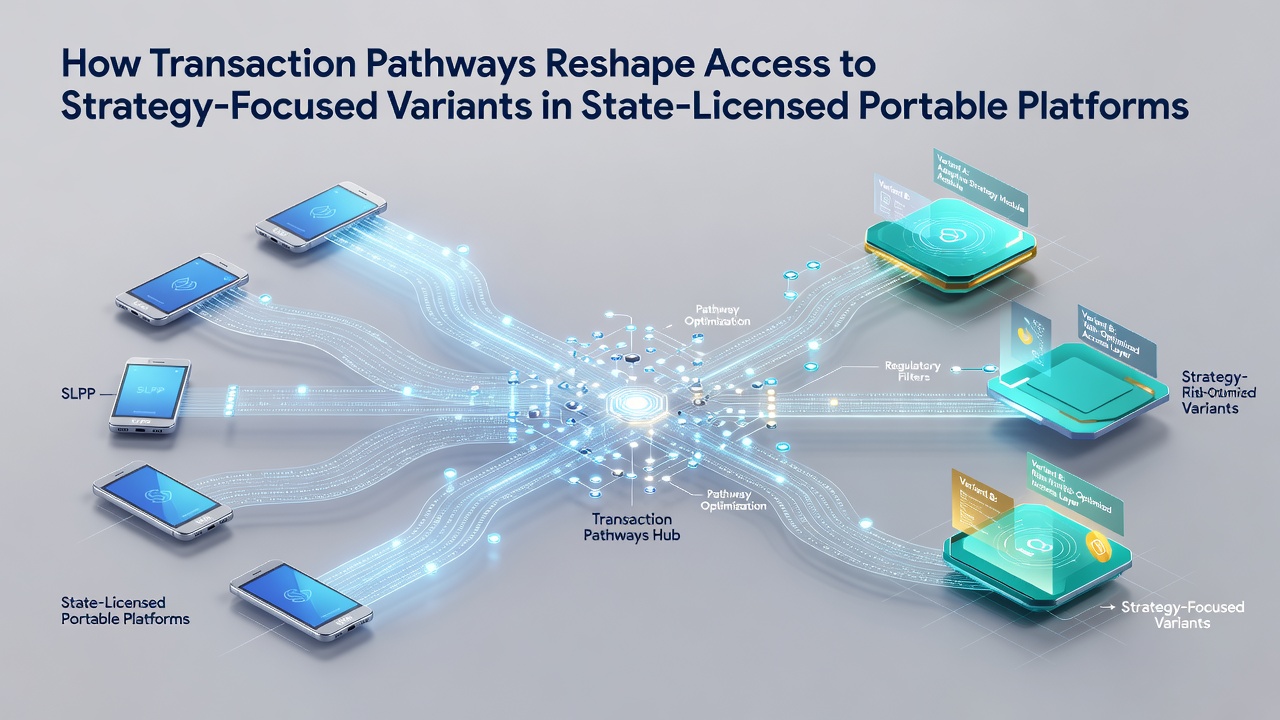
Transaction pathways determine which strategy-focused game variants reach players on state-licensed mobile platforms, because payment rails carry compliance requirements that directly influence game availability and session structures. Regulators in states such as New Jersey, Pennsylvania, and Michigan tie deposit and withdrawal methods to licensing conditions that affect how operators present blackjack, poker, and video poker titles.
Instant bank transfers and certain digital wallets clear funds in seconds, which lets platforms unlock real-time tournament formats and multi-hand strategy tables that slower methods cannot support under the same regulatory windows. Data from the New Jersey Division of Gaming Enforcement shows that platforms using faster rails reported higher volumes of strategy-session play during the first half of 2026.
Payment Rails and Regulatory Compliance Layers
Each state imposes distinct rules on how funds enter and exit licensed wallets, and those rules filter the types of strategy variants an operator can offer without triggering additional reporting. ACH transfers, for example, require longer settlement periods that force platforms to restrict access to live dealer tables or multi-table poker tournaments until verification clears, whereas certain prepaid digital instruments bypass those delays yet carry their own fee caps that operators must absorb.
Observers tracking mobile activity note that states permitting multiple concurrent payment rails see broader strategy-game libraries, because operators can segment player cohorts by funding speed and match them to appropriate game modes. In contrast, single-rail environments often limit advanced variants to desktop channels where reconciliation windows remain more flexible.
Strategy Variants and Funding Velocity
Blackjack side-bet progressions, poker sit-and-go formats, and video poker multiplier ladders all depend on rapid re-buys or top-ups that slower transaction methods disrupt. When a platform routes deposits through methods that settle within one minute, players maintain continuous access to those variants without session interruptions that regulators classify as breaks in play.
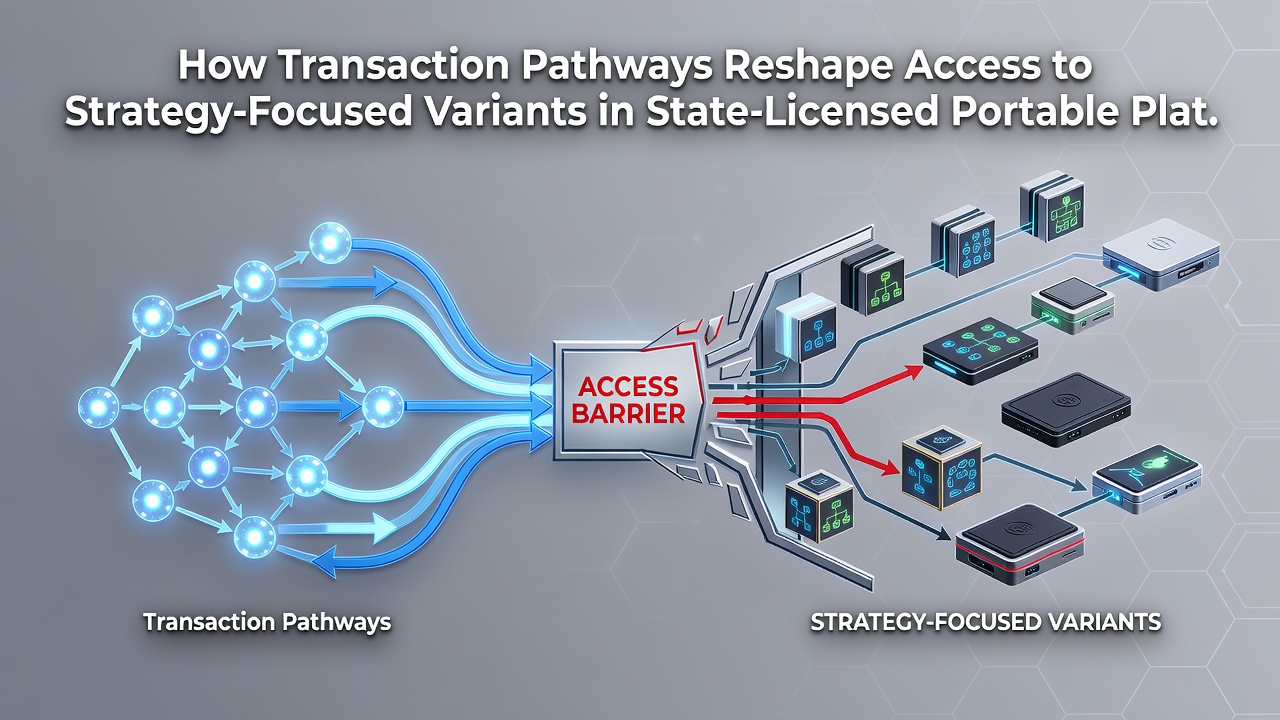
Research from the University of Nevada, Reno gaming analytics group indicates that platforms integrating at least three distinct payment pathways recorded 23 percent more strategy-variant sessions per active user in July 2026 compared with platforms limited to two pathways. The difference stems from reduced friction during high-frequency decision points that define skill-based play.
State-Level Variations in Access Patterns
Michigan’s regulatory framework permits operators to link external banking apps directly to player wallets, which expands access to progressive strategy tables that require immediate fund movement between rounds. Pennsylvania maintains stricter intermediary requirements that route most transactions through state-approved processors, resulting in narrower windows for certain multi-hand variants during peak hours.
Operators respond by adjusting game menus based on the dominant payment method in each jurisdiction, a pattern visible in quarterly filings submitted to state gaming boards. Those filings reveal that platforms offering instant withdrawal options also expand strategy-variant catalogs faster than those relying on traditional bank wires.
Technical Integration and Platform Architecture
Backend systems must reconcile transaction confirmations with game servers in real time to prevent rule violations, and this integration shapes which variants appear on portable interfaces. When payment gateways embed compliance checks at the API level, operators gain the ability to surface skill-based titles immediately upon deposit confirmation rather than after manual review.
Industry reports compiled by the Canadian Gaming Association document similar patterns across North American jurisdictions, where platforms that streamline payment-to-game handoffs show measurable increases in engagement with decision-intensive variants. The same reports note that legacy batch-processing systems continue to constrain mobile access in states slower to update technical standards.
Emerging Patterns in July 2026
By mid-2026 several states had updated their technical bulletins to require timestamped transaction logs for every strategy-variant session, a change that favors operators already using low-latency payment rails. These updates coincide with expanded licensing for portable platforms in additional markets, where regulators explicitly tie approval of new strategy titles to demonstrated payment-pathway reliability.
Figures released by state gaming commissions show that jurisdictions with updated timestamp rules experienced quicker rollout of advanced poker and blackjack variants on mobile devices, because transaction pathways already met the new verification thresholds.
Conclusion
Transaction pathways function as gatekeepers that determine the breadth and depth of strategy-focused variants available on state-licensed portable platforms. Regulatory requirements attached to each payment method, combined with technical settlement speeds, directly influence which skill-based titles operators can present without compliance interruptions. Patterns observed through mid-2026 indicate that platforms maintaining multiple compatible rails continue to deliver broader access to decision-heavy game formats across licensed jurisdictions.