How Cloud Computing Infrastructures Enable Real-Time Game Synchronization Across State Lines in Digital Casino Networks
Sofia Meier · Jun 12, 2026
How Cloud Computing Infrastructures Enable Real-Time Game Synchronization Across State Lines in Digital Casino Networks
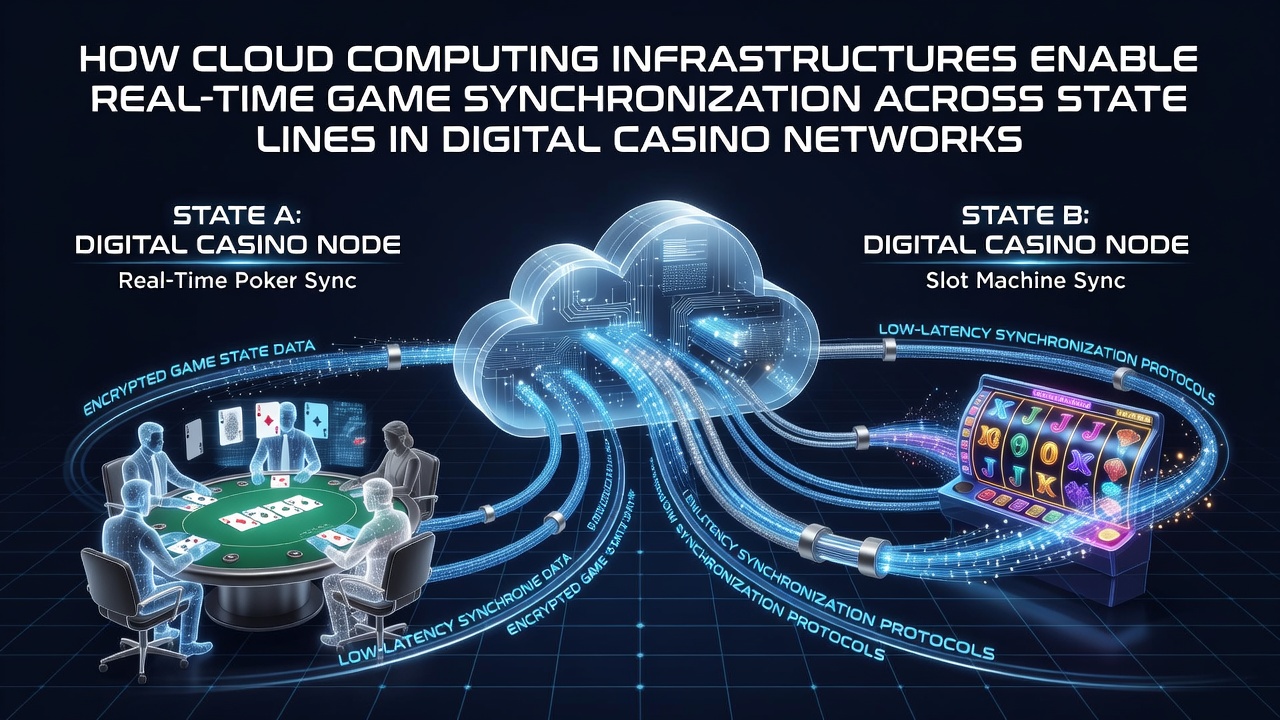
Cloud computing infrastructures handle the heavy lifting when digital casino networks need to keep game states aligned in real time even as players cross state boundaries, and this setup relies on distributed data centers that process inputs with minimal delay while respecting each jurisdiction's rules. Multiple operators have shifted workloads to these systems because traditional on-premise servers struggle with the volume of simultaneous sessions that span different regulatory zones.
Distributed Data Centers and Latency Management
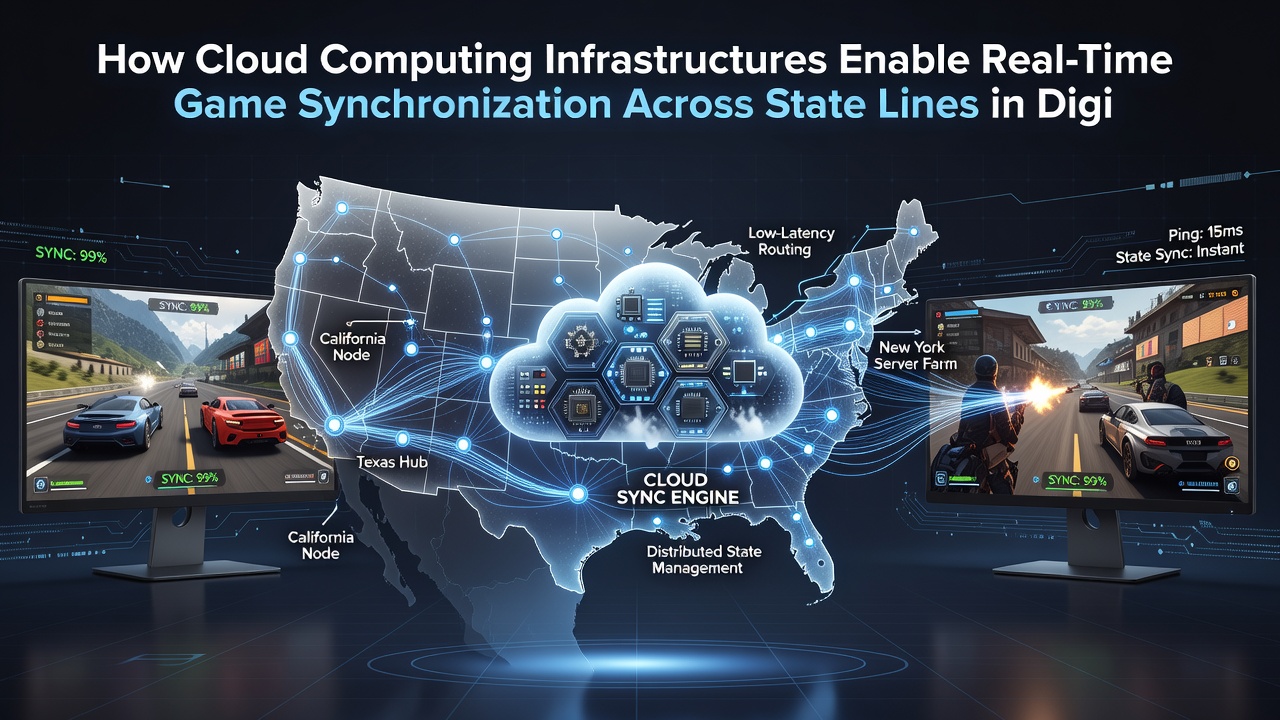
Operators route traffic through regional cloud nodes positioned near major population centers, which allows game engines to update player balances, card decks, and betting histories within milliseconds of each action. Data centers in adjacent states often mirror core databases using replication protocols that push changes across fiber links, and this approach keeps everyone viewing the same outcome without noticeable lag. Researchers at the National Institute of Standards and Technology have documented how these multi-region architectures reduce average round-trip times by routing packets along optimized paths rather than central hubs.
Edge computing layers sit closer to end users and handle immediate validation before handing off to the main cloud cluster, which means a player in one state can join a table already running in another without resetting the session. The ball's in the cloud provider's court when it comes to maintaining consistent timestamps across these nodes, and synchronization services built on consensus algorithms ensure no two players see conflicting results even during peak hours.
State-Specific Compliance Through Geo-Aware Routing
Regulatory requirements differ from one state to the next, so cloud platforms tag each session with location data and enforce access rules before any game logic executes. When a user crosses into a new jurisdiction the system hands the connection to the appropriate regional instance while preserving the active game state through encrypted state tokens. This process happens automatically and keeps operators aligned with local licensing terms without interrupting play.
What's interesting is how these platforms separate the game engine from the compliance layer, allowing the same core software to serve multiple markets by swapping out rule sets on the fly. In June 2026 several networks plan to activate expanded cloud regions that further shorten the distance between compliance checkpoints and game servers, which should tighten response times even more.
Database Replication and Conflict Resolution
Distributed databases such as those based on Apache Cassandra or Amazon DynamoDB keep multiple copies of each player's profile and game history, then resolve conflicts through last-write-wins or vector-clock methods. Observers note that these techniques prevent desynchronization when two state servers receive updates at nearly the same moment, adn the result is a single authoritative record that all connected clients can trust. Take one network operator who noticed that implementing stronger consistency models cut rollback events by more than half during interstate tournaments.
Streaming pipelines built on Apache Kafka or similar tools push incremental updates to every active node, which lets the system scale horizontally as player counts rise. Because each message carries a precise sequence number, downstream services can reconstruct the exact order of events even if packets arrive out of sequence due to network jitter between states.
Security Layers Protecting Cross-Border Sessions
Encryption covers both data in transit and data at rest while identity services verify that each participant remains within an approved jurisdiction throughout the session. Cloud security groups isolate traffic so that a breach in one regional instance does not expose sessions running elsewhere, and this segmentation aligns with recommendations from industry reports on resilient gaming infrastructure. Figures from recent deployments show that end-to-end encryption adds only microseconds to overall processing times when hardware acceleration is enabled.
Continuous monitoring services scan for anomalies across all nodes simultaneously, flagging unusual patterns that might indicate either technical faults or attempts to circumvent location rules. When such events occur the cloud orchestration layer can quarantine affected sessions without halting unaffected games in other regions.
Future Scaling and Interoperability Trends
Industry groups have begun testing standardized APIs that let different cloud vendors exchange game state snapshots, which would give operators more flexibility when expanding across additional states. Data from pilot programs indicate that these interfaces maintain sub-50-millisecond handoff times when properly configured, and the approach reduces vendor lock-in while preserving the low-latency experience players expect.
Yet the core challenge remains ensuring every node honors the unique tax, age, and responsible-gaming requirements of its host jurisdiction while still sharing a common game timeline. Solutions continue to evolve as more states finalize their digital gaming statutes and as cloud providers release new tools for fine-grained policy enforcement.
Conclusion
Cloud computing infrastructures now form the backbone that lets digital casino networks keep games synchronized in real time across state lines, and the combination of regional data centers, edge processing, and distributed databases delivers both speed and regulatory compliance. As adoption grows through 2026 and beyond, these systems will continue to adapt to new licensing frameworks while maintaining the seamless experience required for multi-jurisdictional play.