Examining Biometric Authentication Protocols and Their Effects on Access Controls for Skill-Based Wagering Features in Multi-Jurisdictional Platforms
Henrik Vogel · Jun 5, 2026
Examining Biometric Authentication Protocols and Their Effects on Access Controls for Skill-Based Wagering Features in Multi-Jurisdictional Platforms
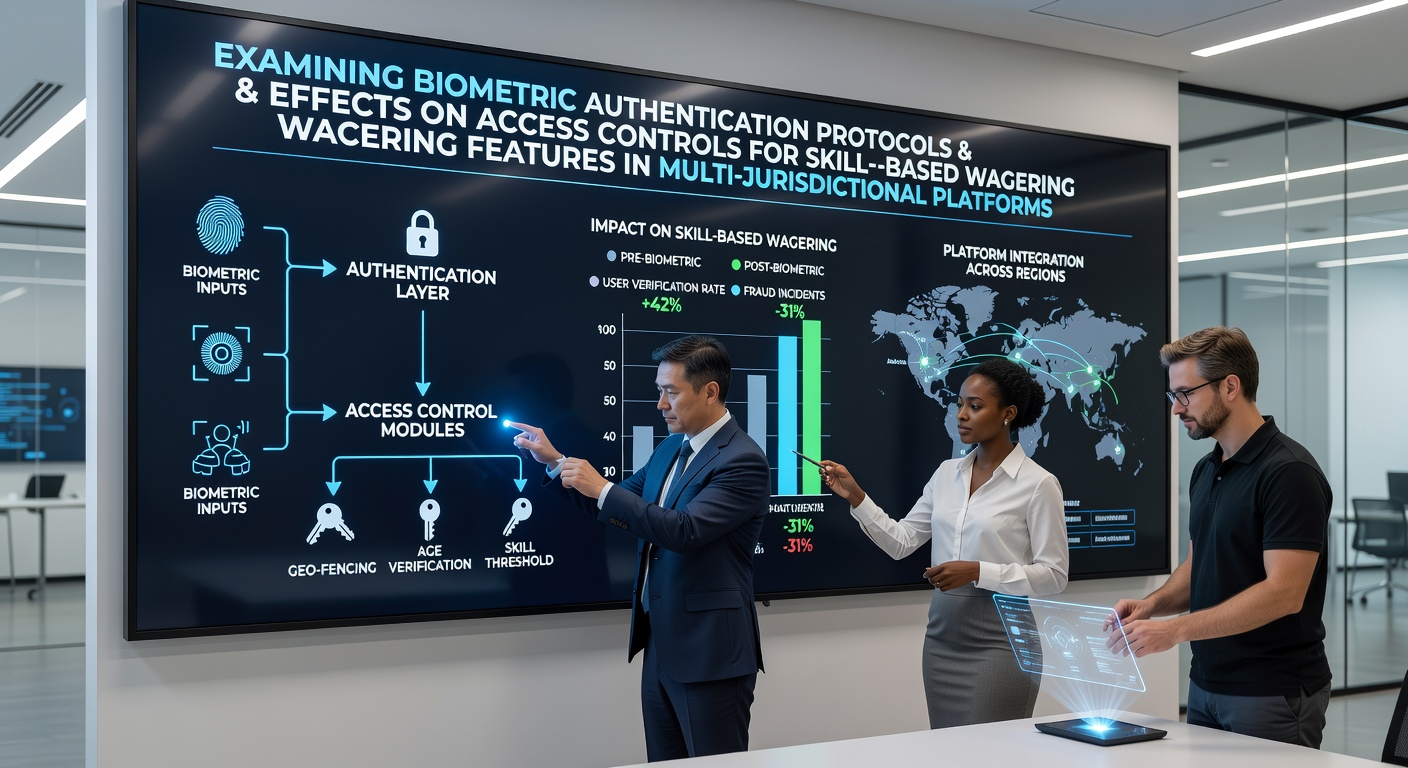
Biometric authentication protocols have gained traction across digital platforms that offer skill-based wagering, where systems rely on fingerprint scans, facial recognition, and voice patterns to verify user identity before granting entry to features such as poker tournaments or fantasy sports contests. These methods integrate with access controls that enforce jurisdictional rules, age requirements, and responsible gaming limits, particularly when operators manage users spread across multiple states or countries with distinct regulatory frameworks.
Core Components of Biometric Systems in Wagering Environments
Platforms deploy multi-factor biometric setups that combine physiological data with behavioral signals like typing rhythms or device handling patterns, and these layers work together to confirm that the account holder matches the registered profile while also checking location data against approved regions. Data from industry reports shows that such protocols reduce unauthorized logins by cross-referencing live scans against stored templates held in encrypted databases, yet the process must align with varying data protection standards in each jurisdiction served by the platform.
Skill-based wagering features demand precise access gates because outcomes depend on player decisions rather than random chance alone, and regulators in places like Nevada and Ontario require operators to demonstrate that only eligible participants reach these games. Biometric checks occur at login and sometimes at intervals during extended sessions, which helps maintain compliance when users move between zones where rules differ on deposit limits or game types.
Impact on Access Controls Across Jurisdictions
Access controls benefit from biometric speed because facial recognition or fingerprint matches complete in seconds, allowing platforms to apply real-time filters that block users outside permitted areas without relying solely on IP addresses or GPS that can be spoofed. Observers note that this shift strengthens enforcement in multi-jurisdictional setups where one operator might serve users in New Jersey, Michigan, and parts of Europe simultaneously, each with its own licensing body and technical standards.

Research from the Alcohol and Gaming Commission of Ontario indicates that integrated biometric tools have supported higher rates of successful age and identity verification during peak usage periods in 2025, while similar systems in Australian markets have addressed cross-border challenges by linking scans to government-issued identity records. These connections create audit trails that regulators can review to confirm operators meet obligations tied to skill-based features specifically, since those games often carry different tax and reporting rules than chance-based offerings.
Technical and Regulatory Considerations Emerging in 2026
By June 2026 several platforms had begun testing hybrid biometric models that incorporate liveness detection to distinguish between real users and deepfake attempts, and this development responds to guidance issued by bodies such as the Nevada Gaming Control Board on maintaining integrity for interactive skill contests. The added checks influence how quickly new users gain entry because initial enrollment requires multiple scans under controlled conditions, after which routine access becomes more streamlined yet still subject to periodic re-verification.
Platforms operating across borders face the task of mapping each jurisdiction's data retention periods and consent rules onto a single biometric framework, which means engineers must build modular systems capable of activating or deactivating certain features based on user location detected at login. Figures from the American Gaming Association reveal steady growth in adoption of these protocols among operators handling skill-based products, driven by the need to satisfy simultaneous oversight from multiple licensing authorities without creating friction that deters legitimate players.
Operational Outcomes and Platform Adaptations
Operators report that biometric integration allows finer control over session management, such as automatically logging out users who enter restricted zones mid-session or pausing skill-based contests until identity confirmation resets. This capability proves especially useful when platforms expand into new markets, because the same underlying protocol can reference different rule sets without requiring separate login flows for each region. Those who've studied platform logs note fewer instances of shared accounts once biometric requirements become standard, since physical traits cannot transfer as easily as passwords.
Academic analyses from research groups at institutions tracking digital gambling trends have examined how these authentication layers affect user retention rates in multi-state environments, and the findings point to balanced outcomes where security gains coexist with occasional enrollment drop-off among users unfamiliar with the technology. Platforms counter this by offering guided onboarding sequences that explain each step while maintaining compliance with local privacy expectations.
Conclusion
Biometric authentication protocols continue to shape access controls for skill-based wagering by delivering rapid identity confirmation that aligns with diverse regulatory demands across jurisdictions. As platforms refine these systems through 2026 and beyond, the focus remains on balancing verification accuracy with user accessibility while supporting the distinct compliance needs of skill-focused features. Data from regulatory and industry sources demonstrates measurable improvements in enforcement consistency, which supports broader platform operations without introducing unnecessary barriers for eligible participants.