Cross-Border Compact Agreements Reshaping Progressive Jackpot Pools in App-Based Slot Networks
Henrik Vogel · Jul 24, 2026
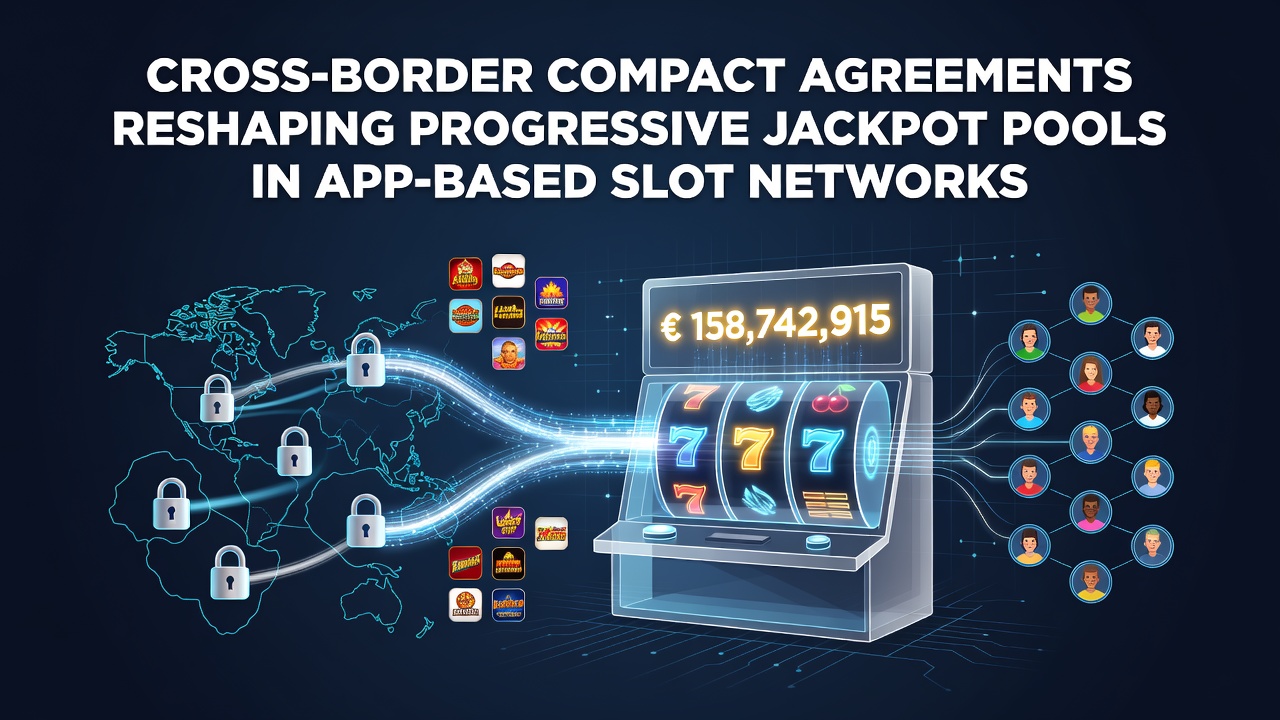
Cross-Border Compact Agreements Reshaping Progressive Jackpot Pools in App-Based Slot Networks
Cross-border compact agreements have begun to alter how progressive jackpot pools operate within app-based slot networks, and observers note that these pacts allow operators to combine contributions from players across multiple jurisdictions into shared prize structures. Such arrangements expand the scale of available jackpots because each wager from participating regions feeds into a common pool rather than remaining isolated within single markets.
Mechanics of Pool Integration Under Compacts
Regulatory bodies in several North American and European jurisdictions finalized new compact language during the first half of 2026 that explicitly authorizes the synchronization of progressive meters across state and national lines, while software providers adjusted their backend systems to comply with updated data-sharing protocols. These changes mean a single jackpot can accumulate from bets placed in both domestic and foreign app environments, and the resulting larger totals attract greater player participation according to transaction volume reports released by the Missouri Gaming Commission.
Network operators must maintain separate ledgers for each jurisdiction even as the visible jackpot figure reflects aggregated contributions, and this dual-tracking requirement stems directly from tax allocation rules embedded in the compact texts themselves. App developers therefore implemented real-time currency conversion modules that adjust displayed amounts based on the player's registered location, yet the underlying pool calculation remains uniform across borders.
Regulatory Developments Through Mid-2026
By July 2026 several additional jurisdictions had signaled intent to join existing frameworks, and data from the Canadian Gaming Association shows that participating provinces recorded a 27 percent increase in cross-network jackpot contributions during the preceding quarter. Regulators require operators to submit monthly reconciliation statements that break down each jurisdiction's share of total wagers, and these filings help ensure that prize liabilities match the revenue collected within each territory.
Compact language also addresses dispute resolution procedures when technical outages affect pool synchronization, and industry groups such as the International Association of Gaming Regulators have published model clauses that member agencies may adopt to standardize response timelines. App-based platforms now incorporate redundant server clusters located in different regulatory zones so that a failure in one region does not halt accumulation elsewhere.

Technical Adjustments in Mobile Slot Architecture
Developers updated random number generator certification processes to account for multi-jurisdictional pool variables, and testing laboratories now verify that jackpot triggers remain statistically consistent regardless of which regions contribute to the meter. Because players in different time zones access the same game titles simultaneously, operators introduced staggered contribution intervals that prevent any single market from disproportionately influencing trigger probabilities during peak hours.
Security protocols require end-to-end encryption of all pool-related data packets traveling between servers in separate countries, and compliance audits conducted in the second quarter of 2026 confirmed that no unauthorized access incidents had occurred since the new compact provisions took effect. Mobile applications display localized terms and conditions that reference the specific compact governing the player's jurisdiction while still directing jackpot wins to the shared pool ledger.
Player Experience and Payout Distribution
Users logging into participating apps encounter larger advertised jackpots than those available under purely domestic arrangements, and transaction logs indicate that session lengths increased in regions covered by the earliest compacts. When a jackpot hits, the system calculates each participating jurisdiction's payout obligation based on its proportional contribution, then routes funds through local payment processors to satisfy tax withholding requirements before releasing net amounts to winners.
Support teams handle inquiries from multiple regulatory environments within a single support ticket system, and training materials emphasize the need to reference the correct compact when explaining payout timelines to players located in different markets. Observers note that these operational layers add complexity yet maintain transparency because each jurisdiction receives detailed post-win reports within mandated timeframes.
Conclusion
Cross-border compact agreements continue to expand the reach of progressive jackpot pools in app-based slot networks by linking previously separate markets under unified contribution rules, and ongoing regulatory updates through July 2026 indicate further jurisdictions may join these frameworks. Technical and compliance adaptations ensure that pool integrity and jurisdictional obligations remain intact while players experience larger potential prizes. Data from multiple regulatory sources demonstrates measurable growth in contribution volumes following implementation, confirming that the structural changes have taken hold across the covered networks.